

SAFFRON
What is saffron used for and how to understand its use | Beejoy
Saffron is one of those plants that exists between two worlds: the culinary and the wellness. For centuries it has been used as a spice for its color, aroma, and flavor; today it is also studied in extract form for its natural compounds and its possible relationship with mood, appetite, sleep, and mental clarity.
SIt is primarily used as a culinary spice and as an ingredient in supplements. In cooking, it is used to add color, aroma, and a rich flavor to dishes such as rice, broths, stews, and desserts. In supplements, it is usually found as a concentrated extract, which aims to utilize bioactive compounds such as crocins, crocetin, picrocrocin, and safranal.
From a wellness perspective, saffron is commonly associated with four areas: emotional balance, appetite and cravings, sleep quality, and cognitive function. This relationship is partly explained by its interaction with processes in the central nervous system and by its content of antioxidant compounds.
Visit Saffron for a broader perspective.
Saffron as a spice vs supplement
One of the most common mistakes is talking about saffron as if all its forms were the same. They aren’t. Saffron threads, culinary powder, tea, and encapsulated extract can all have different uses.
Culinary use of saffron
In cooking, it is used in small quantities to add color, aroma, and flavor to recipes such as rice dishes, soups, infusions, or traditional preparations. Its main function is culinary.
Although it can provide natural compounds from the plant, the amount used in food is usually low. Therefore, it is not necessarily equivalent to taking a concentrated supplement.
Saffron extract in supplements
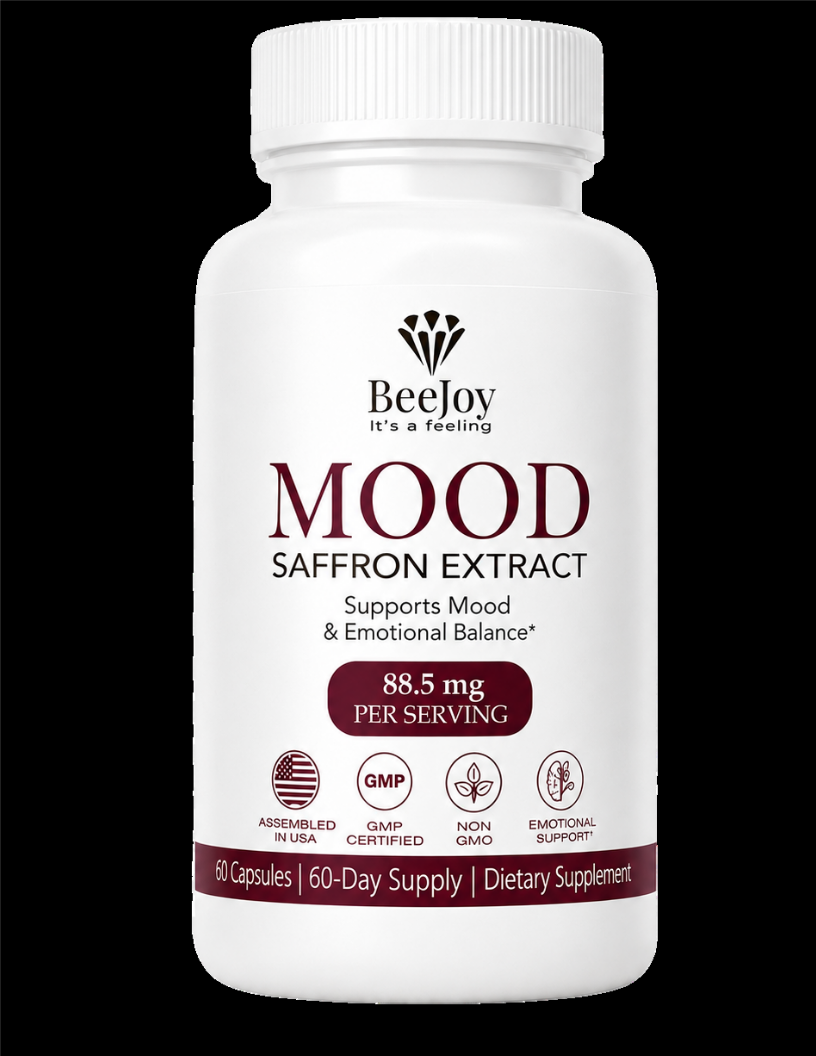
Saffron extract is used in supplements because it allows for the concentration of certain compounds from the plant. This form is often studied in relation to emotional well-being, appetite, cravings, and sleep.
A supplement is not simply ground saffron: it can vary greatly depending on the type of extract and its standardization.

Why format and concentration matter
The format changes the use. A pinch of saffron in a recipe doesn’t have the same purpose as an extract included in a wellness routine.
The level of caution also changes. Culinary amounts are usually low, while concentrated supplements require more attention, especially if you are pregnant, breastfeeding, taking medication, or have a medical condition.
Common uses of saffron
Common uses of saffron include:
Its gastronomic use provides aroma, color, and flavor.
Support in emotional well-being practices.
Support for habits related to satiety, appetite, and craving control.
The search for a more balanced night cycle and rest.
Promoting concentration and mental clarity.
The incorporation of antioxidants through diet or supplements.
It is essential to clarify that these applications do not imply curative properties nor do they guarantee identical results for all users. Effectiveness may fluctuate depending on factors such as dosage, type of presentation, diet, stress level, sleep quality, and the individual’s overall health.

Saffron and emotional well-being
One of the most sought-after uses of saffron is related to emotional well-being. This makes sense because several compounds in saffron have been studied for their potential interaction with neurotransmitters associated with mood, such as serotonin and dopamine.
In practice, many people turn to saffron when they experience irritability, daily stress, mood swings, or a sense of mental imbalance. The idea isn’t to “switch off” these feelings, but rather to promote a more stable and manageable state throughout the day.
Some clinical studies and reviews have explored saffron in the context of depressive symptoms or low mood, with promising results in certain populations. However, this does not mean that saffron replaces medication, therapy, or professional care.
Saffron, appetite and habits
Another common use of saffron is related to appetite, satiety, and cravings. Specifically, it is said to be helpful when hunger arises not only from physical need, but also from fatigue, stress, mild anxiety, a disrupted routine, or a desire for reward.
Some trials have studied saffron extracts in relation to snacking and satiety. One study in healthy, overweight women observed a reduction in snacking and an increase in satiety with an extract of Crocus sativuscompared to a placebo.
Conscious habit management
This doesn’t make saffron a weight-loss product on its own. It would be more accurate to say that it can support habits that indirectly influence weight management, such as reducing frequent snacking or helping to better recognize satiety signals.

How to understand saffron within an wellness routine
Saffron works best when it’s incorporated intentionally. Not as a quick fix, but as a piece within a routine that seeks balance. This may be beneficial for people who want to support their daily mood, improve their eating habits, reduce compulsive snacking, or promote a more restful night’s sleep. It may also appeal to those seeking a wellness formula that gently addresses mind, habits, and mental energy.

Intention
Incorporate saffron into your wellness routine with a clear purpose, understanding what you expect from it and avoiding unrealistic expectations.

Habits first
Prioritize a balanced diet, physical activity, quality sleep, and stress management. Supplements complement these habits but do not replace them.
Consistency
Sustainable changes often depend on the repetition of good habits. Saffron can support this process, but it is not the sole protagonist.
Considerations before using Saffron
Although saffron is generally well-tolerated when used as a culinary spice, its use in the form of supplements or high-concentration extracts requires different considerations. It is essential to take certain safety aspects into account before incorporating it into a supplementation routine.
Special care and professional consultation are recommended in the following scenarios:
Pregnancy and breastfeeding
The use of high doses during pregnancy is not recommended and medical supervision is essential.
Drug interactions
A specialist should be consulted if you are undergoing cancer treatments, taking anticoagulants, or taking mental health medications.
Specific health conditions
People with bipolar disorder or a history of manic episodes should avoid using this product without medical guidance. Likewise, those with kidney disease or bleeding disorders should exercise extreme caution.
Efectos adversos y pausa de acción
If you experience drowsiness, digestive discomfort, headaches, or unusual mood changes, discontinue use immediately and consult a doctor. It is important to remember that information regarding saffron supplements is for informational purposes only and should not replace medical diagnoses, treatments, or the advice of a healthcare professional.
Saffron does far more than just add color to a recipe. As a spice, it brings aroma, flavor, and tradition. As an extract, it is being studied for its potential links to emotional well-being, appetite, habits, rest, and mental clarity.
The key lies in understanding it correctly: it is not a cure, it is not a medical substitute, and it does not work in isolation from your habits. It is an ingredient that can complement a wellness routine when used wisely, responsibly, and in high quality.